Banana, Spinach, and Peanut Butter Smoothie
The post-training smoothie. 25g protein, potassium, magnesium, no protein-powder taste.
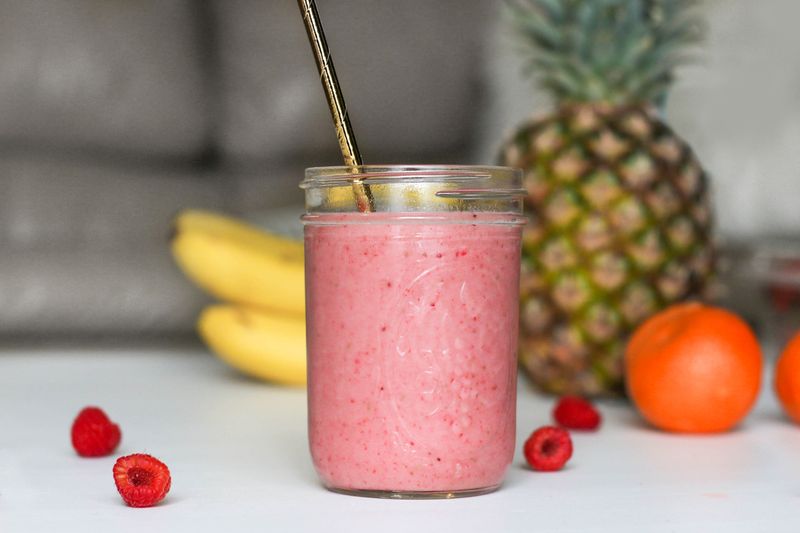
Why this works for founders
Bananas after exercise replace potassium lost in sweat. Spinach adds folate and nitrates. Peanut butter contributes protein and arginine. Greek yogurt provides the protein bulk without the sweetness of a flavoured powder. Whole-food smoothie that doesn't taste like a supplement.
Ingredients (1 serving)
- 1 frozen banana
- 1 cup baby spinach (packed)
- 200g plain Greek yogurt
- 2 tbsp natural peanut butter
- 1 cup whole milk or oat milk
- 1 tbsp honey
- 1 tsp cinnamon
- 3 ice cubes
Steps
- Add everything to a blender.
- Blend on high 45 seconds until smooth.
- Pour. Drink within 5 minutes — separates fast.
Macros per serving (approx)
- Calories: 480
- Protein: 28g
- Fat: 22g
- Carbs: 42g
Founder note
A high-powered blender matters here. The cheap blender can't handle frozen banana + ice cleanly — you get chunks. A stick immersion blender works if you're willing to use a deep cup and blend longer.
The deeper logic
The post-workout smoothie window is one of the few times in the
founder day when the simple-carbohydrate-plus-protein combination
is genuinely useful. The training session has depleted muscle
glycogen and triggered MPS (muscle protein synthesis) priming. The
optimal recovery meal is roughly 30 g of protein and 30 to 60 g of
carbohydrate, delivered within 90 minutes of the session end.
Banana contributes the simple carbohydrate (28 g per medium
banana), the potassium (450 mg, replenishing the sweat losses),
and the manganese (a cofactor in glutamine synthase). Spinach adds
folate, iron, and the nitrate dose that supports vascular function.
Peanut butter contributes the fat that smooths the absorption
curve and the niacin that supports the NAD+ recycling that
training depletes.
The casein-to-whey ratio in milk is the same 80:20 found in
cottage cheese; the lactose contributes additional simple
carbohydrate. The combination is a complete recovery vehicle.
Why this is a post-workout drink
The 5-minute window from blender to glass matches the desired
post-workout timing. The drink form bypasses the digestive
slowdown that solid food in the post-workout window can produce
(the cortisol response to exercise transiently delays gastric
emptying).
Eat solid food 60 to 90 minutes after this; the smoothie is the
bridge.
Substitutions
- No banana: mango (less potassium, similar sugar), pineapple
(different texture, different sugar), or skip and add a date. - No spinach: kale (more bitter, more fiber), baby greens
(variable). The leafy contribution is the folate; skip if you
prefer a cleaner-tasting smoothie. - No peanut butter: almond butter, cashew butter, sunflower
seed butter. Peanut butter has the highest niacin density;
substitutes shift the micronutrient mix. - No milk: unsweetened oat milk, almond milk, or plain water.
Plain water is the leanest option; the protein arrives from
the protein powder.
Storage detail
Smoothies do not store well. The banana oxidizes within 30
minutes; the milk separates. Make and drink.
If you must travel with one: use a vacuum-sealed bottle and add a
squeeze of lemon juice to slow the oxidation. The drink holds 2
hours at refrigerated temperature; texture suffers.
Common mistakes
- Using sweetened protein powder. The banana brings the sweetness;
the sweetened powder pushes the drink past the threshold into
dessert. Buy unflavored or vanilla unsweetened. - Adding ice. The texture becomes thinner; the temperature drops
below comfortable drinking range. A frozen banana achieves the
same texture without the dilution. - Drinking it standing at the kitchen counter in 30 seconds. The
glucose spike from a fast-consumed smoothie is sharper than the
same calorie load consumed over 10 minutes. Sit. Drink slowly.
The post-workout smoothie is a tool. Two to three sessions a
week. Save it for the days you actually trained.