How to Spot Real Olive Oil — Most Supermarket Bottles Are Adulterated
A multi-year UC Davis study found that the majority of imported "extra virgin" olive oil sold in US supermarkets failed extra-virgin standards. Here's how to find the real thing.
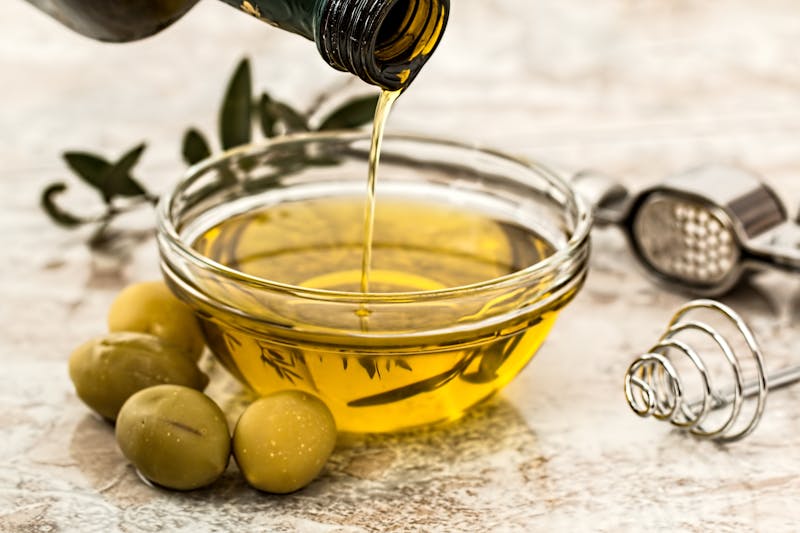
The problem
The olive oil category is one of the most adulterated food products in global commerce. A 2010-2011 UC Davis Olive Center study tested 124 imported extra virgin olive oil samples sold in US supermarkets. Two-thirds failed International Olive Council and USDA sensory and chemical standards for extra virgin classification.
The failures included:
- Oils blended with lower-grade refined oils.
- Oils that had been chemically processed and re-flavored.
- Oils that had become rancid before bottling.
- Oils mislabeled by origin.
Tom Mueller's Extra Virginity: The Sublime and Scandalous World of Olive Oil (2011) is the readable journalistic account of the industry-wide adulteration. The book is not paranoid; it's accurate.
What to look for
On the bottle:
- Harvest date. Real producers print the harvest date. Olive oil is at peak quality within 12-18 months of harvest. Bottles without harvest dates (only "best by" dates) are suspect.
- Single origin. Not "bottled in Italy" — that means the oil might have been grown anywhere, shipped to Italy, and bottled there. Look for the actual estate or cooperative origin.
- PDO or PGI designation. In the EU, a Protected Designation of Origin label means the oil meets strict provenance and quality rules.
- Dark glass or tin container. Olive oil degrades under light; clear glass is a warning sign.
- Plain "Extra Virgin Olive Oil" without further specifics. Often a generic blend.
In the kitchen:
- Pepper and bitterness. Fresh extra virgin olive oil should have a pungent, slightly bitter finish at the back of the throat. The fresher the oil, the more pronounced. Old oil tastes flat.
- No "fusty" smell. Defective oils smell like wet cardboard, vinegar, or rancid nuts.
- Color is not reliable. Color comes from olive variety and ripeness, not quality.
Practical advice
- For finishing oil (drizzling on finished dishes), buy from a known specialty source. Spanish, Italian, Greek, Tunisian, or Californian single-estate oils from reputable importers (Fairway, Zingerman's, Market Hall, Whole Foods specialty section) are reliably honest.
- For cooking oil (sauteing, roasting), you can use a less expensive blend or even just a generic extra virgin from a brand you've personally vetted. The high heat masks subtler quality differences.
- Don't trust a $7 liter of "extra virgin" from an unknown brand. The economics don't work.
A simple home test
Pour a small amount into a glass. Warm it gently in your hands. Smell first — you should detect grass, green leaves, sometimes tomato or banana notes. Taste — there should be initial sweetness, then a bitter middle, then pepper at the back of the throat. The presence of pepper means the antioxidants are intact, which means the oil is fresh and probably real.
What's in the bottle that says "Pure Olive Oil"
Refined olive oil with a small percentage of extra virgin added back for flavor. This is a legal product, but it's a different product from extra virgin and shouldn't be priced like it.
Reading
- Tom Mueller, Extra Virginity (2011).
- UC Davis Olive Center reports — publicly available.
- Cooks Illustrated periodic olive oil tasting reports.
The adulteration problem
The olive oil market has a long-documented adulteration
problem. Tom Mueller's Extra Virginity (2011) is the
definitive popular account; the academic literature contains
many additional studies. The summary: a substantial fraction
of olive oil sold as "extra virgin" in the US and European
markets is either blended with refined olive oils or with
non-olive oils entirely, despite the labeling.
The numbers from independent testing: somewhere between 50 and
80 percent of "extra virgin" olive oil sold in US supermarkets
fails laboratory tests for the legal standard. The fraud
operates through several mechanisms — deceptive blending,
mislabeled country of origin, false certifications.
What real extra virgin tastes like
Real fresh extra virgin olive oil should have:
- Pepperiness at the back of the throat (from oleocanthal,
the natural anti-inflammatory compound). - Bitterness that is pleasant, not harsh (from the natural
polyphenol content). - Fruitiness — green-grass, ripe-olive, sometimes tomato or
apple notes depending on the cultivar. - No staleness or rancid notes.
A refined oil dressed up as extra virgin reads flat. No
pepperiness, no bitterness, no specific flavor character.
What to look for
Several practical heuristics:
- Harvest date. Look for a harvest date within the past 12
months. Olive oil degrades; older oil is poorer oil. "Best
by" dates are useless; harvest dates are the real number. - Country of origin and producer. Single-producer, single-
origin oils are harder to adulterate than generic European
blends. "Bottled in Italy" does not mean grown in Italy; the
labeling is famously permissive. - Dark glass. Light degrades olive oil; clear-bottle
packaging is a red flag. - Price. Real extra virgin from a single estate runs
approximately 20 to 50 dollars per 500 mL. Below 10 dollars
is suspect; below 5 dollars is almost certainly not what the
label claims. - Tasting notes. Quality producers describe their oils with
specific flavor profiles; generic supermarket brands describe
them with marketing terms.
Sources
In the US, the producers with consistent quality include:
- California: McEvoy Ranch, Apollo Olive Oil, Sciabica.
- Italian imports through specific importers: Frantoia (Sicily),
various Tuscan estates. - Spanish: Castillo de Canena, Marqués de Griñón.
- Greek: Eleones, various Crete estates.
The price reflects the actual cost of growing, milling, and
shipping the product. Cheap olive oil exists only because the
adulteration economy exists.
What to use cheap oil for
Cheap olive oil — the supermarket store-brand product — is
fine for high-heat sautéing, browning, and applications where
the flavor of the oil is not the primary contribution. Reserve
the expensive single-estate oil for finishing: drizzled over
salads, soups, bread, fish.
The finishing oil is where the cost difference is visible. The
flavor of fresh, single-estate extra virgin on a slice of
tomato is significantly different from the same tomato dressed
with supermarket oil.
Further reading
- Tom Mueller, Extra Virginity (2011).
- The North American Olive Oil Association industry publications.
- Various academic publications on olive oil authenticity
testing.