Mussels in White Wine — Investor Dinner at Home
Mussels have more iron per 100g than steak and more zinc than almost any other shellfish. 20 minutes, low cost, looks impressive.
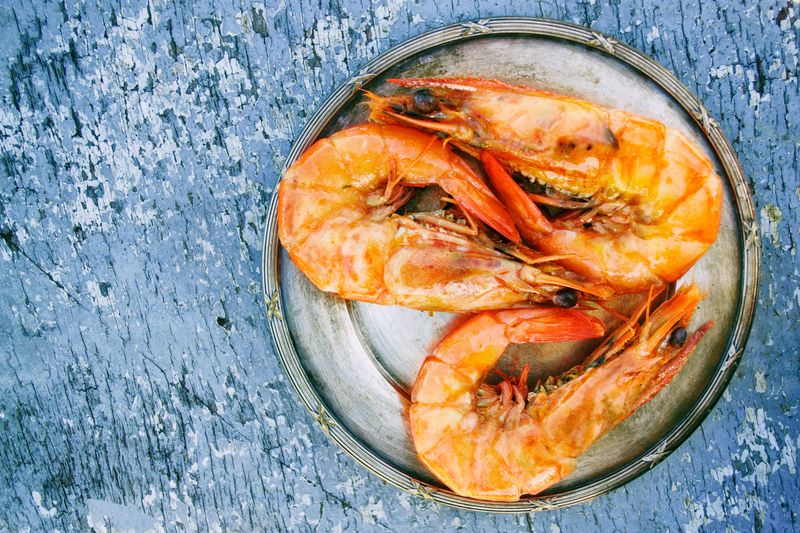
Why this works for founders
Mussels are the highest-iron seafood, and iron deficiency is the most common nutrient deficiency in adult women globally (Willett's group at Harvard has published on this repeatedly). Mussels are also among the most sustainable proteins by any LCA you'll find — they're filter feeders that improve water quality. They're cheap. They look like you tried.
Ingredients (2 servings)
- 1kg fresh mussels
- 1 shallot, finely diced
- 4 cloves garlic, minced
- 200ml dry white wine
- 100ml double cream (optional but recommended)
- 2 tbsp olive oil
- 1 tbsp butter
- A big handful of parsley, chopped
- Crusty bread to serve
Steps
- Clean mussels: scrub the shells under cold water. Pull off any beards. Discard any that are cracked or won't close when tapped.
- Heat oil and butter in a large pot over medium. Sweat shallot 3 min.
- Add garlic, 30 seconds.
- Pour in wine. Bring to a simmer.
- Add mussels. Cover. Cook 4–5 min, shaking the pot once.
- Open the lid: mussels should be open. Discard any that didn't open.
- Stir in cream if using, scatter parsley. Serve in the pot with bread.
Macros per serving (approx, with cream)
- Calories: 520
- Protein: 38g
- Fat: 24g
- Carbs: 22g
Founder note
The pot you cook them in is the pot you serve them in. Less washing-up. The bread is for the broth, which is the actual best part.
The deeper logic
Mussels are the highest-iron seafood at roughly 6.7 mg per 100 g —
more iron per gram than beef tenderloin. The heme-iron absorption
rate of seafood is in the 25 to 35 percent range, compared to 5 to
15 percent for plant non-heme iron. For founders running iron
deficits — disproportionately women, vegetarians, and frequent
distance runners — mussels are one of the higher-impact dietary
interventions available.
Zinc is comparable: 10 mg per 100 g in mussels, near the top of
the dietary range. The combination of iron and zinc at this density
is rare in foods that retail for under 8 dollars a pound.
The sustainability ledger of mussels is one of the strongest of
any animal food. They are filter feeders; they require no
feed inputs; they actively improve water quality in their
production environment. Multiple life-cycle assessments place
farmed mussels at the bottom of the per-protein carbon footprint
chart — lower than tofu, lower than legumes per gram of protein.
Why this is a host-the-investor dish
The visual is good. The pot at the center of the table, the
broth pooling around the open shells, the bread for sopping —
the entire scene is informal in a way that an investor finds more
revealing than a multi-course restaurant. The cook (you) ate the
same thing the guest is eating; there is no front-of-house theater.
The cost is favorable: 1 kg of mussels at 6 to 9 dollars feeds
two as a main, plus 8 dollars for a bottle of dry wine and 4
dollars for crusty bread. Twenty dollars for the table. The
restaurant equivalent runs 80 to 150.
Substitutions
- No mussels: clams (similar cook time, slightly different
flavor — sweeter, less mineral), littlenecks specifically. Pen
scallops and oysters are not interchangeable. - No white wine: dry vermouth (better than wine for this
application — more aromatic), or a chicken stock plus a
tablespoon of lemon juice for an alcohol-free version. - No cream: skip — the broth is fine without. Cream is the
finishing touch, not the structure. - No parsley: fresh tarragon or chervil. Tarragon shifts
the dish significantly more French; chervil is closer.
Storage detail
Live mussels: 24 hours in the refrigerator, in a bowl with the
shells loose and a damp cloth on top. Do NOT seal them in plastic
or submerge them in water — they need air.
Cooked mussels: discard. They do not reheat well; the texture
turns rubbery and the broth is best within 60 minutes of
finishing. If you have leftover broth (and no shellfish), it
works as a soup base the next day.
Buying mussels
Look for tightly closed shells. Discard any that are open and do
not close when tapped. The "beard" — the fibrous threads at the
hinge — should be pulled off shortly before cooking; once
de-bearded, mussels expire within hours.
US Atlantic mussels are usually 1 to 2 days from harvest at the
supermarket; PEI (Prince Edward Island) mussels are higher quality
and 50 cents to a dollar more. Spanish galician mussels are best
but rarely available outside specialty retailers.
Common mistakes
- Cooking mussels that didn't close when tapped. They were dead
before they hit the pan; the flesh is not safe to eat. The
rule: tap, wait 5 seconds, if it doesn't close — toss it. - Boiling the broth before adding the mussels. The broth is
primarily a steaming medium, not a poaching liquid. Bring to
a hard simmer, add the mussels, cover, cook 4 to 5 minutes,
done. - Discarding the broth. It is the best part. Crusty bread for
sopping; spoon for the remainder.
The dish is the founder host-dinner the kit needs. Twenty
minutes from pan to table. Twenty dollars total. The investor
remembers the meal.