Tex-Mex — The Cuisine That Is Older Than Texas
Tex-Mex isn't a corruption of Mexican food. It's a 200-year-old border cuisine — Tejano — that predates Texas statehood and deserves to be read on its own terms.
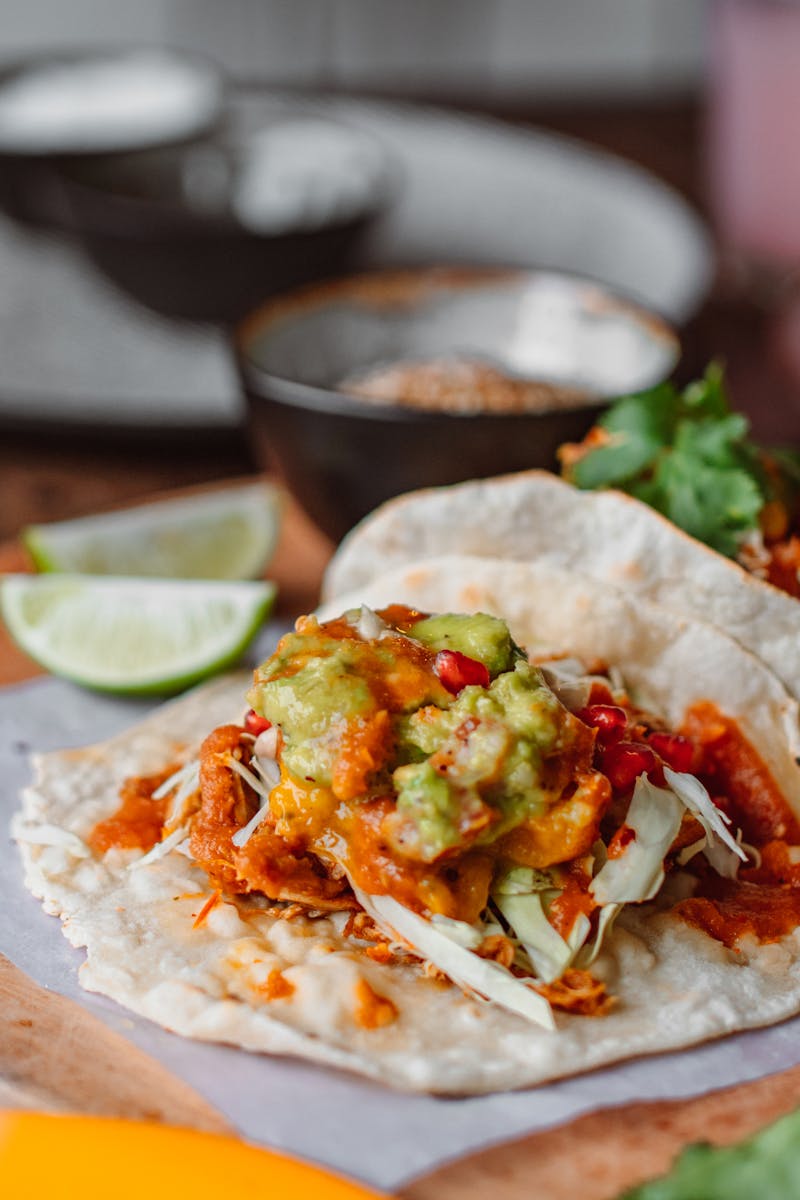
The framing
Tex-Mex gets dismissed as Mexican food's lazy cousin. This is wrong. Tex-Mex is a distinct border cuisine — properly called Tejano — that developed in what is now South Texas and northeastern Mexico over roughly two centuries. It predates the founding of Texas as a state. It has its own canon, its own techniques, its own debts to specific Indigenous and Spanish traditions.
The best book on this is Robb Walsh's The Tex-Mex Cookbook (2004). Read it before you have another opinion on Tex-Mex.
What's actually Tex-Mex
- Chili con carne. A San Antonio invention, mid-1800s, originating with the chili queens — Tejana women who set up stalls in San Antonio's military plaza and sold bowls of chili to soldiers and visitors. The dish is documented in 1880s photographs and contemporary accounts.
- Fajitas. South Texas, 20th century. Originally a use of skirt steak (fajita literally means "little belt") that ranch hands were given as part of their wages. Marinated, grilled, sliced thin, served with flour tortillas.
- Crispy hard-shell taco. A Tex-Mex invention, popularized by El Cholo in Los Angeles and Glen Bell (Taco Bell) in the 1950s and 60s. Mexicans do not eat hard-shell tacos. Tex-Mex does. This is not lesser; it is a distinct dish.
- Yellow cheese, refried beans, chili gravy, queso. All Tex-Mex.
What's not Tex-Mex (and gets confused with it)
- Cal-Mex (San Diego, LA) — fish tacos, carne asada, surf-and-turf burritos.
- New Mexican — green chile, sopaipillas, posole. A separate cuisine with Pueblo roots.
- Interior Mexican — Oaxacan moles, Yucatecan cochinita pibil, Pueblan chiles en nogada. Different region, different cuisine.
Diana Kennedy versus Tex-Mex
The British-born Mexican cookbook author Diana Kennedy spent a career championing regional Mexican cuisines and explicitly dismissing Tex-Mex as not real food. She was wrong on this. Robb Walsh's response was the right one: Tex-Mex is a real cuisine with its own history; it's just not Mexican.
What to cook to start
- A pot of chili con carne, no beans, the San Antonio chili-queen way.
- Skirt steak fajitas, marinated in lime and garlic, grilled hard, served with hand-rolled flour tortillas.
- Cheese enchiladas with chili gravy — the platonic Tex-Mex Sunday plate.
Reading
- Robb Walsh, The Tex-Mex Cookbook (2004). The canonical text.
- Lisa Fain, The Homesick Texan Cookbook (2011). Contemporary kitchen-side.
- Adán Medrano, Truly Texas Mexican (2014). Argues for South Texas Tejano cuisine as a distinct food tradition.
The pre-Texas tradition
Tex-Mex is sometimes dismissed as "inauthentic Mexican" by people
who do not know its history. The reality: Tex-Mex predates the
state of Texas by centuries.
The cuisine traces to the Spanish-Mexican northern frontier (the
Provincias Internas) that existed from roughly 1700 to 1836. In
this period, what is now Texas, New Mexico, and parts of California
and Colorado were governed from Mexico City and populated by a
mix of Indigenous peoples (Coahuiltecan, Lipan Apache, Tonkawa,
others), Spanish-Mexican settlers, and missionary populations.
The food that developed in this period — Indigenous corn, beans,
and chiles cooked with Spanish-Mexican techniques (cumin and
oregano in the seasoning, tortillas made on iron comales) — is the
direct ancestor of contemporary Tex-Mex.
The Tejano contribution
The Tejano population (the Spanish-Mexican-descended Texans who
remained after Texas became a US state in 1845) maintained the
cuisine across the 19th century. The Tejano ranching tradition
produced barbacoa, fajitas, and the broader carne asada culture
that defines South Texas cooking.
The Anglo-Texan adoption of the cuisine accelerated in the 20th
century, especially after World War II. By the 1960s "Tex-Mex" was
a recognized American cuisine category, sold internationally
through chains like Taco Bell from the 1962 founding onward.
What's distinct from Mexican
The contemporary distinctions between Tex-Mex and central or
southern Mexican cuisines:
- Cheese. Heavy use of yellow cheddar and Monterey Jack in
Tex-Mex; Mexican cuisines use fresh white cheeses (queso fresco,
Oaxaca, Cotija) and use them sparingly. - Beef. Heavy beef presence in Tex-Mex reflects the South Texas
ranching tradition; Mexican cuisines have more diversity of
protein. - Combination plates. The Tex-Mex combination plate (enchilada,
taco, rice, beans on one platter) is largely a Tex-Mex
invention. - Cumin emphasis. Tex-Mex uses cumin extensively; Mexican
cuisines use it less centrally. - Flour tortillas. Tex-Mex uses flour tortillas heavily,
reflecting the wheat-growing regions of Northern Mexico and
South Texas; Central and Southern Mexican cuisines lean more on
corn.
The contemporary defense
Gustavo Arellano's Taco USA (2012) is the contemporary defense
of Tex-Mex as a real American cuisine with a real history.
Arellano's argument: dismissing Tex-Mex as inauthentic
misunderstands what authentic means. Cuisines develop. The South
Texas-Mexican border region developed a distinct cuisine; that
cuisine is now several hundred years old; calling it inauthentic
makes no sense.
What to cook
The classics worth learning:
- Chili con carne (Texas-style, no beans, dark with chiles
and cumin). - Carne asada (skirt steak marinated in citrus and seared
hot). - Refried beans (pinto beans, lard, mashed in the pan).
- Cheese enchiladas with red chile gravy.
For the New Mexican version of the broader cuisine: hatch green
chile, posole (the hominy stew), and red chile preparations.
Further reading
- Gustavo Arellano, Taco USA (2012).
- Diana Kennedy's complete bibliography.
- Robb Walsh, The Tex-Mex Cookbook (2004).
- Lisa Fain, The Homesick Texan (2011).