Why Spice Matters — The Penzeys-vs-Supermarket Question
Whole spices, ground to order, change cooking more than almost any other small kitchen upgrade. Here's the reasoning, and which suppliers are honest.
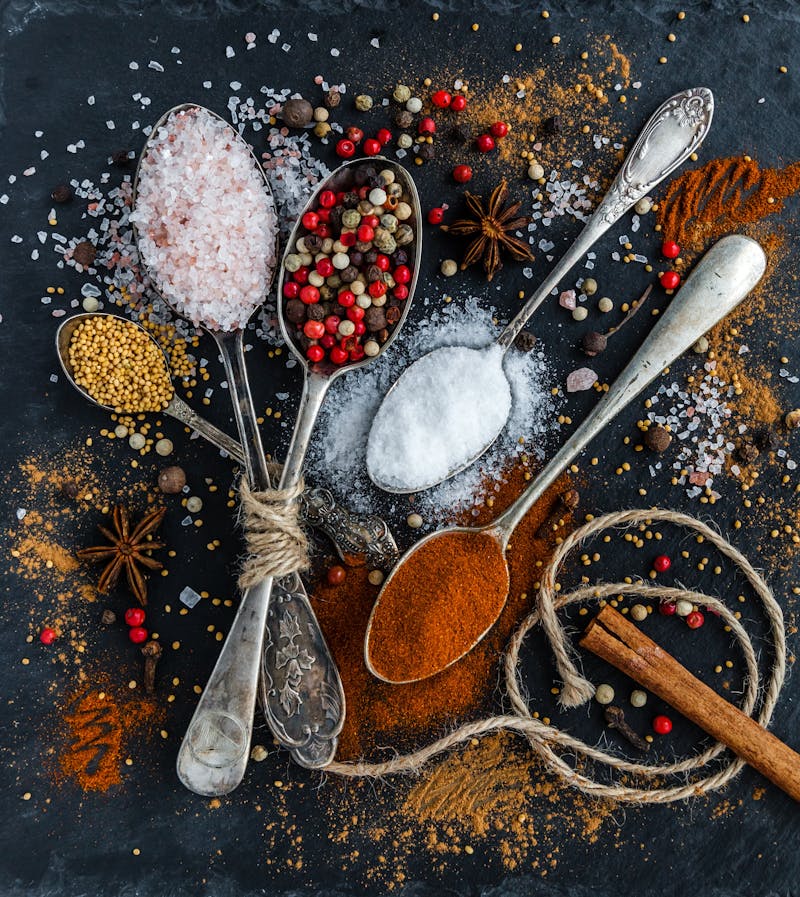
The problem with old spice
The volatile aromatic compounds in spices — the things that make cumin smell like cumin and coriander smell like coriander — start oxidizing as soon as the spice is ground. Pre-ground spice in a typical supermarket jar has been on a shelf for 6-24 months before purchase. By the time you open it, much of the aroma is gone.
Whole spices, by contrast, keep their aroma sealed inside the cell walls of the seed or bark or rhizome. They lose flavor much more slowly. Coriander seed, kept whole, holds 80%+ of its aroma for two years. Ground coriander loses most of it in six months.
The practical implication: buying whole spices and grinding them as needed is the single biggest upgrade most home cooks can make for under $50.
What to do
- Get a spice grinder. An electric coffee grinder, dedicated to spices (don't mix coffee and spice in the same grinder). $20-30. Krups F203 is the standard.
- Buy whole spices from a serious supplier. Penzeys (mail order or storefront), Burlap & Barrel, Spice House, Diaspora Co., World Spice Merchants. Indian or Middle Eastern grocery stores are also reliably good — their turnover is higher than supermarkets.
- Grind small batches — what you'll use in a week or two — and store the ground spice in a small jar.
Specific spices that benefit most from fresh grinding
- Cumin. Toast and grind for the actual cumin experience. Pre-ground cumin is sad cumin.
- Coriander. Same. The difference is dramatic.
- Black pepper. A peppermill of whole peppercorns is non-negotiable for serious cooks. Pre-ground black pepper tastes faintly bitter and faintly nothing else.
- Nutmeg. Whole nutmeg grated fresh on a microplane is a different spice than the pre-ground version.
- Cardamom. Whole pods stay aromatic for years. Pre-ground cardamom is mostly dust.
- Cinnamon. Whole sticks (cassia or true Ceylon) hold their aroma. Pre-ground is shelf decoration.
The honesty problem
Spice provenance is poorly regulated. "Saffron" sold in bulk is often safflower or turmeric dyed orange. "Wasabi" outside Japan is almost universally horseradish + green dye. "Vanilla extract" labeled simply is often artificial.
Suppliers worth trusting:
- Burlap & Barrel. Single-origin spices, with named producer farms. Their Royal cinnamon (Ceylon, Sri Lanka), Pleasure pepper (long pepper), and turmeric (India) are all genuinely better than supermarket equivalents.
- Diaspora Co. South Asian single-origin spices. The cardamom and pepper are exceptional. The economics — they pay farmers above-market rates — are also part of the appeal.
- Penzeys. Solid, mid-priced, broadly available. Excellent house blends.
- The Spice House. Older Chicago-based supplier, broad selection.
- Frontier Co-op. Bulk, affordable, fine for everyday spices.
The toast-first rule
For whole seed spices (cumin, coriander, fennel, mustard, fenugreek, cardamom pods), dry-toast them in a hot pan for 30-60 seconds before grinding. The heat releases aromatic oils and concentrates flavor. The difference is large; the effort is small.
What changes when your spices are fresh
- Your curries actually taste like the regional curry they're trying to be.
- Your roasted vegetables get an aromatic depth you couldn't access before.
- Your chili and chili powder change category.
- Your baking gets a precision it didn't have.
Reading
- The Spice Companion (Lior Lev Sercarz, 2016). The reference book.
- Diaspora Co.'s newsletter on single-origin sourcing.
- Burlap & Barrel's grower profiles.
The freshness question
Spice quality is primarily about freshness. Ground spices lose
flavor compounds within 6 to 12 months of grinding; whole
spices retain flavor for 2 to 4 years before significant
degradation.
The supermarket spice aisle typically stocks ground spices that
have been in the supply chain for 6 to 18 months before
reaching the shelf. The product is technically still spice;
the flavor delivery is roughly 20 to 50 percent of what fresh
ground spice would offer.
The result: home cooks who season with supermarket spice
sometimes over-season by volume to compensate for the under-
flavor, which produces dishes that taste dull-and-overspiced
rather than properly flavored. The fix is fresh spice, not more
spice.
Penzeys, the alternative
Penzeys Spices (founded in Wisconsin, 1986) is the most-cited
US alternative to supermarket spice. The company's value
proposition is freshness — they grind smaller batches, ship
direct from a central warehouse, and turn over inventory faster
than supermarkets.
The price is comparable to supermarket spice — sometimes
cheaper for the higher-volume items (paprika, cumin, cinnamon).
The quality difference is significant; the same recipe made
with Penzeys cumin vs supermarket cumin reads noticeably
different.
Other quality producers in the same range: Burlap & Barrel,
Diaspora Co. (specifically for South Asian spices), Spicewalla.
The whole-spice argument
The longer-term move is to whole spices and a small grinder.
A small electric grinder costs 20 dollars; whole spices keep
2 to 4 times longer than pre-ground; the grinding immediately
before use produces the freshest possible flavor delivery.
The whole-spices to buy first:
- Cumin seeds
- Coriander seeds
- Black peppercorns
- Cardamom pods (green)
- Mustard seeds (yellow or brown)
- Fennel seeds
- Cinnamon sticks
- Cloves
- Star anise
- Whole nutmeg (with a small grater)
Roast whole spices in a dry pan for 60 to 90 seconds before
grinding when the dish calls for it; the oil compounds bloom
under heat.
What to keep ground
A small number of spices either don't come whole or don't
benefit from grinding-on-the-fly:
- Paprika (smoked, sweet, hot — all useful)
- Turmeric powder (whole turmeric exists but is fiddly)
- Cayenne and ground chiles
- Dried herbs (oregano, thyme, marjoram, dill weed)
- Curry powder blends (use someone else's blend; making your
own from scratch is the next level)
Buy these in small jars; replace every 6 months.
The cost calculation
The home cook who switches from supermarket spice to fresh
spice (Penzeys or whole-spice-grinder) spends roughly the
same total annual dollars on spice but cooks better food. The
budget shifts from many tiny purchases of stale spice to
fewer larger purchases of fresh spice. The kitchen budget is
unchanged; the kitchen output improves.
The compound effect over years is significant. A cook who
seasons with fresh spice develops a different palate than a
cook who seasons with stale spice. The threshold for
recognizing flat seasoning rises; the cook stops accepting
dull dishes as the inevitable home-cooking baseline.
Further reading
- Samin Nosrat on spice technique in Salt, Fat, Acid, Heat.
- The Burlap & Barrel website's sourcing notes.
- Various South Asian, Middle Eastern, and Mexican cookbooks
for spice-forward technique.